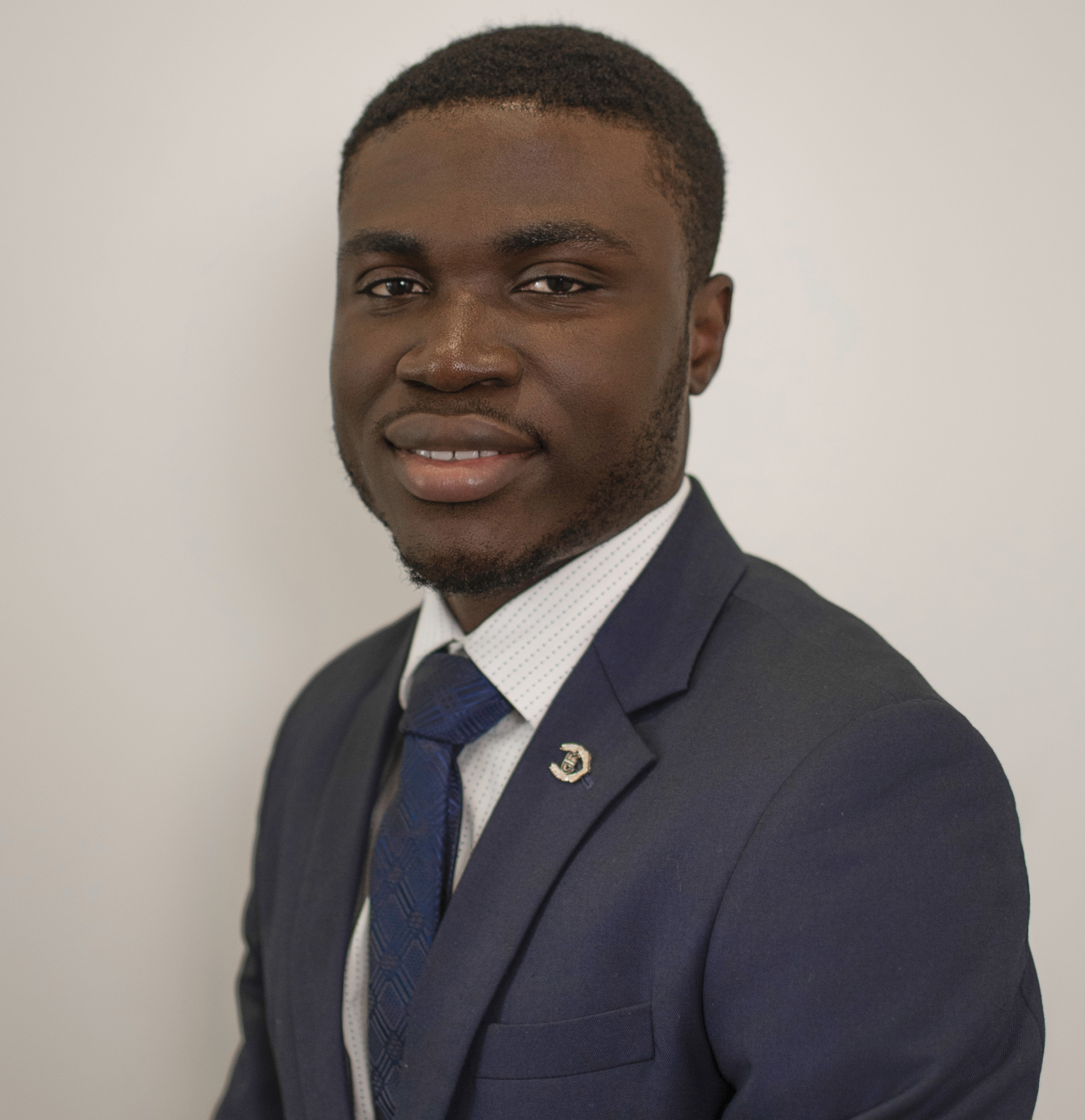
DAVID C. OKENWA
Oregon State University, PhD in Mechanical Engineering
EREF Scholar 2026
Project Title
Data-Driven Disassembly Planning for Waste Electronic Products
Project Description
Every year, the world discards tens of millions of tons of old electronics, including phones, laptops, and televisions—less than a quarter of that is properly recycled. Most e-waste is shredded or dumped, wasting valuable materials like gold, copper, and cobalt that could be recovered and reused. The key step in recycling electronics is determining optimal disassembly sequences: figuring out the best order to take a device apart so that valuable materials and parts are recovered for reuse or recycling. Today, workers make these decisions by examining each device with little information about its history, which leads to poor decisions and lost materials and lost value. This project develops a smarter approach that uses data recorded on special tags embedded in electronic products throughout their life, tracking information like repairs, battery replacements, and usage patterns, to automatically generate an optimized plan for taking each device apart at end of life. The goal is a decision-support tool that guides recyclers and remanufacturers in determining whether a device or its parts or materials should be reused, repaired, or recycled. When recycling is the right choice, the tool identifies which components to target, in what order, and why. The result is more valuable materials recovered, less waste, and a stronger economic case for formal e-waste processing.
Biography
David Okenwa is a PhD student in the School of Mechanical, Industrial, and Manufacturing Engineering at Oregon State University (OSU), majoring in Mechanical Engineering. He started his PhD in September 2024 and anticipates graduating in June 2028. He earned his Bachelor of Engineering in Mechanical Engineering from the University of Nigeria in 2022. David is passionate about environmental sustainability and community engagement. As an undergraduate, he led a university-wide cleanup campaign on World Environment Day 2021, mobilizing over 200 students to collect more than 400 kg of waste, which was subsequently sent for recycling. In 2023, he served as Campaign Coordinator at Mock COP, an international organization dedicated to amplifying youth voices in climate decision-making, where he supported youth delegates from 89 countries to co-create the first Unified Youth Statement on Climate Education. He represented these youths at COP28 in the United Arab Emirates, engaging multilateral stakeholders on climate education. David currently serves as Operations Manager for the OSU Energy Efficiency Center, where he works with small- and medium-scale manufacturers to reduce energy use, emissions, and waste while improving productivity. Under the mentorship of Dr. Karl R. Haapala, David’s doctoral research is developing a data-driven decision-support framework for end-of-life electronics, guiding decisions on whether a device or its components should be reused, repaired, or recycled, and generating disassembly sequences that optimize product end-of-life value and environmental performance. His work leverages product lifecycle data, including repair history and use conditions captured through an advanced RFID tag system, to improve recovery yields, reduce processing costs, and lower the environmental footprint of electronic waste recycling.

