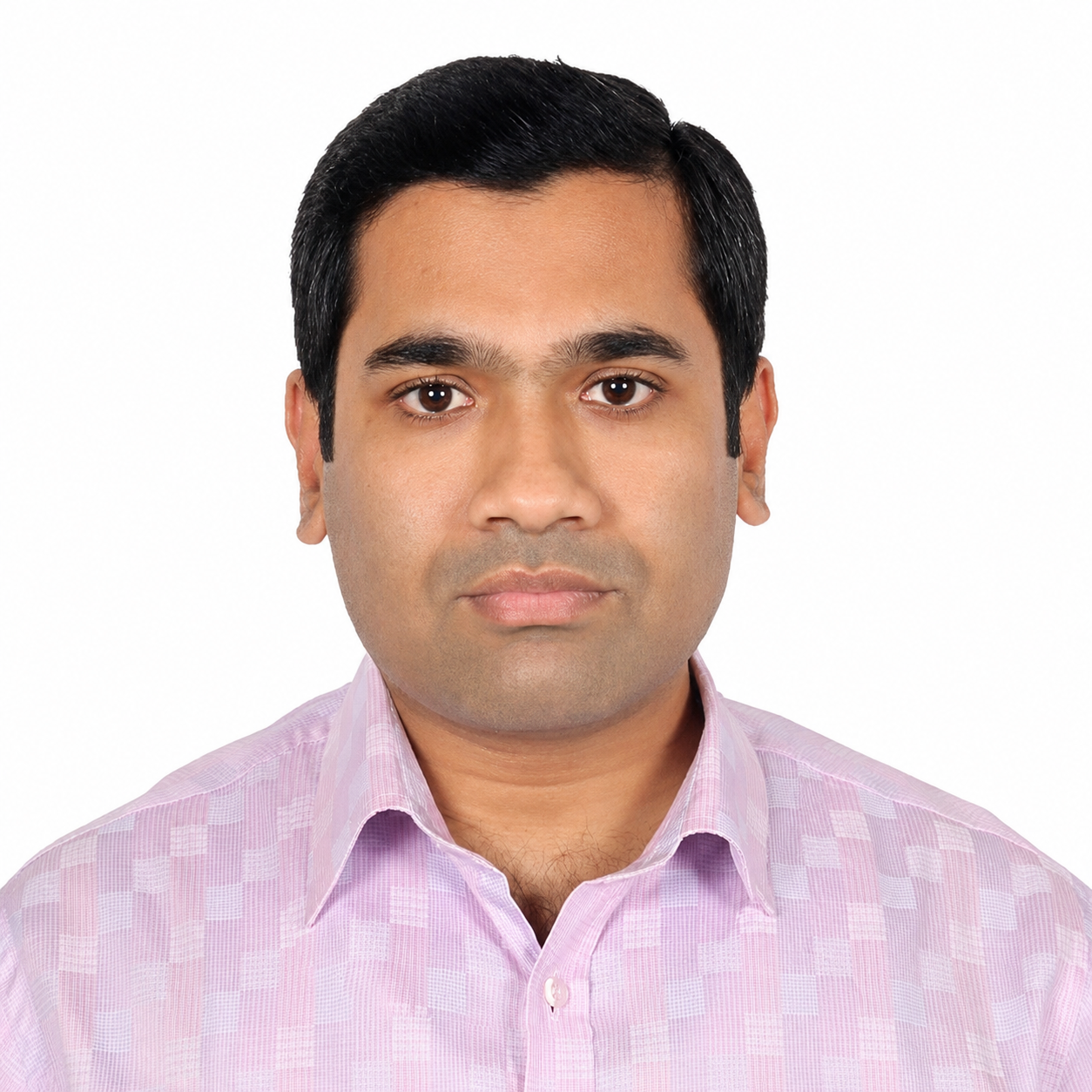
MD SAIFUL ISLAM
Temple University, PhD in Environmental Engineering
EREF Scholar 2026
Project Title
Mechanistic Insights into Microplastic-PFAS Interactions in Landfill Leachate and Sustainable Foam Fractionation for Removal of PFAS-Laden Microplastics
Project Description
Municipal solid waste landfills are designed with engineered liners and leachate collection systems to capture leachate, the contaminated liquid generated when water moves through or comes into contact withwaste in a landfill. The collected leachate is generally treated at the landfill or sent to a wastewater treatment plant. However, leachate can contain microplastics and PFAS, often called “forever chemicals.” Conventional wastewater treatment systems were not originally designed to remove these emerging contaminants. PFAS can also attach to microplastics, turning the particles into carriers and making monitoring and complete removal more difficult. If these contaminants are not fully removed, they can remain in treated water or treatment residuals and potentially re-enter the environment. This project examines how PFAS attach to and detach from microplastics under the complex conditions found in landfill leachate. Experiments will investigate how acidity, salts, organic matter, and temperature affect these interactions. The landfill study is part of a broader research effort to develop sustainable treatment technologies for emerging contaminants that interact with one another. It also builds on ongoing research in surface waters used as drinking water sources by applying the same scientific principles to landfill leachate. The project will also evaluate foam fractionation as a treatment process, followed by a downstream technology designed to destroy the concentrated contaminants. In this process, air bubbles collect dissolved PFAS and microplastics carrying PFAS and move them into a foam layer. This concentrates the contaminants into a much smaller volume, making further treatment more practical. The findings could help landfill operators and wastewater treatment facilities improve monitoring and treatment while reducing reliance on synthetic chemicals and minimizing energy use and secondary waste.
Biography
Md Saiful Islam is currently pursuing a PhD in Environmental Engineering at Temple University under the mentorship of Dr. Gangadhar Andaluri. He began his doctoral studies in Fall 2024 and anticipates graduating in Spring 2028. He earned a Bachelor of Science in Civil Engineering from Rajshahi University of Engineering & Technology in 2012 and a Master of Science in Civil Engineering, specializing in Environmental Engineering, from the Islamic University of Technology in 2022. His research investigates the occurrence, interactions, environmental fate, and sustainable removal of emerging contaminants, particularly PFAS and microplastics, from water and landfill leachate. His research and academic contributions have been recognized through several awards from organizations including the Water Resources Association of the Delaware River Basin, Temple University, and the American Water Works Association. In 2026, he received the Leadership in Science Advocacy Award from the American Chemical Society in recognition of his science advocacy, STEM mentorship, community outreach, and innovative research on emerging-contaminant remediation. He also served as the student representative on the HDC-SETAC Board during the 2025–2026 term.

